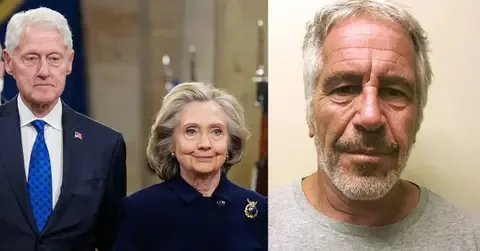
Have you ever wondered about the disturbing connections between Jeffrey Epstein, Donald Trump, and the shocking allegations that surfaced during the 2016 election? The intertwining stories of these two powerful men have captivated public attention for years, raising serious questions about privilege, accountability, and the dark underbelly of high society.
In 2016, as America was consumed by a heated presidential election, a bombshell lawsuit emerged that would link Donald Trump to allegations of sexual misconduct dating back decades. This legal action, filed by a woman using the pseudonym "Jane Doe," claimed that Trump had raped her when she was just 13 years old at parties hosted by Jeffrey Epstein, the notorious financier and convicted sex offender. The timing couldn't have been more explosive - coming just months before Americans headed to the polls to decide the nation's future.
Jeffrey Epstein: A Profile in Power and Scandal
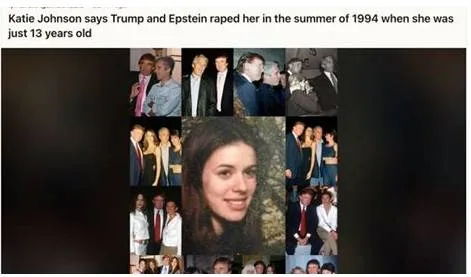
Jeffrey Epstein was a wealthy financier whose life was marked by both extraordinary success and devastating downfall. Born in 1953 in Brooklyn, New York, Epstein built a fortune through his work in finance, eventually establishing himself among the elite circles of New York and Palm Beach society.
Epstein's rise to prominence began in the 1970s when he worked as a teacher at the Dalton School in Manhattan before transitioning to finance. He quickly made connections with powerful figures on Wall Street and eventually launched his own financial management firm, representing clients including Leslie Wexner, the billionaire founder of Victoria's Secret.
Throughout his career, Epstein cultivated relationships with numerous high-profile individuals across politics, business, and entertainment. His social circle included presidents, royalty, and celebrities, giving him access to exclusive gatherings and opportunities that most people could only dream about.
Personal Details and Bio Data| Category | Information |
|---|---|
| Full Name | Jeffrey Edward Epstein |
| Date of Birth | January 20, 1953 |
| Place of Birth | Brooklyn, New York, USA |
| Date of Death | August 10, 2019 |
| Place of Death | Metropolitan Correctional Center, New York City |
| Education | Cooper Union (dropped out), Courant Institute of Mathematical Sciences at NYU (attended) |
| Occupation | Financier, convicted sex offender |
| Known For | Sex trafficking, connections to powerful individuals |
| Net Worth | Estimated $500 million - $1 billion at peak |
| Residences | New York City, Palm Beach, New Mexico, U.S. Virgin Islands |
The 2016 Lawsuit: Allegations and Timeline
The 2016 lawsuit that connected Trump to Epstein's alleged sex trafficking ring was filed on April 26, 2016, in California. The plaintiff, identified only as "Jane Doe," claimed she had been lured into Epstein's circle when she was 13 years old, with promises of money and modeling opportunities.
According to the court documents, the plaintiff alleged that she was forced to have sex with Trump multiple times at parties held at Epstein's Manhattan townhouse. The lawsuit claimed these encounters occurred in 1994, when Trump would have been 48 years old and the plaintiff just 13.
The legal filing detailed horrific allegations, including claims that Trump had threatened the plaintiff and her family if she ever spoke about what happened. The lawsuit also named Epstein as a co-defendant, alleging he had facilitated these encounters as part of a larger sex trafficking operation.
Trump and Epstein: A Complicated History
The relationship between Donald Trump and Jeffrey Epstein has been a subject of intense scrutiny and debate. While both men have at times downplayed their association, evidence suggests they were part of overlapping social circles for many years.
In a 2002 interview with New York Magazine, Trump spoke positively about Epstein, saying, "I've known Jeff for fifteen years. Terrific guy. He's a lot of fun to be with. It is even said that he likes beautiful women as much as I do, and many of them are on the younger side."
However, as Epstein's criminal behavior became more widely known, Trump's stance shifted. In 2016, Trump's campaign released a statement saying, "Mr. Trump knows the subject, Jeffrey Epstein, only because they were both residents of Palm Beach. They were not friends and did not socialize or speak to each other."
This apparent contradiction has fueled speculation about the true nature of their relationship and whether Trump was aware of Epstein's illegal activities during the years they were reportedly connected.
The Lawsuit's Journey Through the Legal System
The 2016 lawsuit filed against Trump and Epstein faced numerous challenges from the outset. The case was initially filed in California but was later transferred to the Southern District of New York, where it encountered additional procedural hurdles.
One of the most significant developments came when the plaintiff's attorneys announced they were withdrawing from the case. This occurred after the attorneys received threatening messages, including death threats, which they believed were connected to their representation of the plaintiff.
Subsequently, the case was dismissed in November 2016, just days before the presidential election, on the grounds that the plaintiff had not appeared for a scheduled deposition and had failed to provide proof of identity. The dismissal was "without prejudice," meaning the plaintiff could potentially refile the case.
Media Coverage and Public Reaction
The 2016 lawsuit received significant media attention, particularly given its timing during a contentious presidential campaign. Major news outlets covered the allegations, though many approached the story cautiously, noting that the claims were unproven and the plaintiff remained anonymous.
The coverage highlighted the broader context of sexual misconduct allegations that were emerging against powerful men across various industries. The #MeToo movement, which would gain momentum in the following years, was beginning to take shape, creating a climate where such allegations were being taken more seriously.
Social media played a crucial role in spreading information about the lawsuit, with supporters and critics of Trump using the allegations to support their respective narratives about his character and fitness for office.
Epstein's Conviction and Its Impact
To understand the full context of the 2016 lawsuit, it's important to consider Epstein's criminal history. In 2008, Epstein pleaded guilty to state charges of soliciting prostitution from a minor in Florida and served 13 months in a county jail under controversial circumstances that allowed him to leave jail for work six days a week.
This conviction came to light again in 2019 when new federal charges were filed against Epstein for sex trafficking of minors in Florida and New York. The renewed attention on his crimes led to increased scrutiny of his connections to powerful individuals, including Trump.
Epstein's death by suicide in August 2019 while awaiting trial on these new charges sparked numerous conspiracy theories and calls for further investigation into his network of associates and enablers.
Legal Implications and Precedent
The 2016 lawsuit against Trump and Epstein raised important questions about statute of limitations in cases involving childhood sexual abuse. Many states have extended or eliminated statutes of limitations for such cases, recognizing that survivors often need years or even decades to come forward.
The case also highlighted the challenges of pursuing legal action against powerful individuals, particularly when the plaintiff chooses to remain anonymous. Courts must balance the rights of defendants to confront their accusers with the legitimate safety concerns of survivors who fear retaliation.
Additionally, the lawsuit demonstrated how civil cases can sometimes bring allegations to light that might not be pursued through criminal channels, particularly when dealing with wealthy and influential defendants who can mount aggressive legal defenses.
The Broader Context of Power and Accountability
The allegations connecting Trump to Epstein's alleged sex trafficking operation must be understood within a larger societal conversation about power, privilege, and accountability. The case exemplified how wealth and influence can create environments where abuse may occur with impunity.
The #MeToo movement, which gained significant momentum in the years following the 2016 lawsuit, has fundamentally changed how society responds to allegations of sexual misconduct, particularly when they involve powerful men. This cultural shift has led to increased scrutiny of historical allegations and a greater willingness to believe survivors' stories.
However, the polarized political climate in which the 2016 lawsuit emerged also demonstrated how allegations can be weaponized for political purposes, making it difficult for the public to assess claims objectively when they emerge during election seasons.
Conclusion
The 2016 child rape lawsuit connecting Donald Trump and Jeffrey Epstein represents a complex intersection of allegations, legal procedures, and political timing that continues to fascinate and disturb the public. While the case was ultimately dismissed, it raised serious questions about the relationships between powerful men and the vulnerability of young people to exploitation.
The lawsuit's emergence during a presidential campaign, combined with Epstein's subsequent arrest and death, has created a narrative that extends far beyond the specific legal claims made in 2016. It has become part of a larger story about accountability, power dynamics, and the challenges survivors face when coming forward with allegations against influential figures.
As society continues to grapple with issues of sexual abuse and exploitation, particularly involving minors, cases like this serve as stark reminders of the importance of thorough investigation, due process, and a commitment to believing survivors while also respecting the rights of the accused. The full truth about the connections between Trump, Epstein, and the allegations made in 2016 may never be fully known, but the questions raised continue to resonate in our ongoing national conversation about power, privilege, and justice.