Have you ever wondered how a convicted sex offender's foundation could win a major lottery prize? The story of Jeffrey Epstein's foundation allegedly winning the lottery has sparked intense debate and conspiracy theories. But what's the truth behind these claims, and how did this bizarre situation unfold?
Jeffrey Epstein's Biography
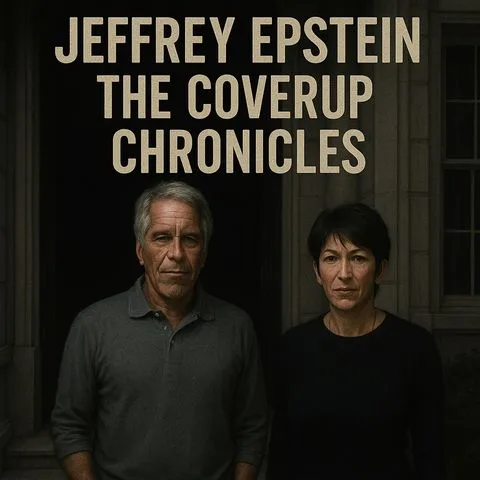
Jeffrey Epstein was a wealthy financier and convicted sex offender whose life story reads like a Hollywood thriller. Born in 1953 in Brooklyn, New York, Epstein rose from humble beginnings to become one of the most controversial figures of the 21st century.
Personal Details and Bio Data
| Detail | Information |
|---|---|
| Full Name | Jeffrey Edward Epstein |
| Date of Birth | January 20, 1953 |
| Place of Birth | Brooklyn, New York, USA |
| Date of Death | August 10, 2019 |
| Education | Cooper Union (dropped out), Courant Institute of Mathematical Sciences at NYU (attended) |
| Occupation | Financier, Registered Sex Offender |
| Net Worth | Estimated $500 million - $1 billion at peak |
| Known For | Financial management, Sex trafficking conviction, High-profile connections |
The Lottery Win: Fact or Fiction?
The claim that Jeffrey Epstein's foundation won the lottery has circulated widely on social media and conspiracy forums. However, upon closer examination, this story appears to be more fiction than fact.
The foundation in question, the Jeffrey Epstein VI Foundation, was established in 2000 and focused on scientific research and education initiatives. While the foundation did engage in various charitable activities, there's no credible evidence that it ever won any significant lottery prize.
So where did this rumor originate? It seems to have emerged from a combination of factors:
- The foundation's substantial wealth and connections
- Epstein's controversial reputation
- The public's fascination with lottery winners and their stories
Understanding Lottery Mechanics
To understand why the Epstein lottery story seems suspicious, it's important to know how lotteries work. Lotteries are heavily regulated games of chance, with strict rules about who can participate and win.
Key lottery facts:
- Winners must be verified through extensive documentation
- Large prizes require tax identification and social security numbers
- Lottery commissions maintain detailed records of winners
- Most lotteries prohibit certain organizations from participating
The Foundation's Actual Activities
While the lottery win story is likely false, the Jeffrey Epstein VI Foundation did engage in various legitimate activities. The foundation focused on:
- Supporting scientific research
- Funding educational initiatives
- Promoting technological innovation
- Contributing to medical research
These activities were documented and reported to relevant authorities, unlike the alleged lottery win.
The Power of Misinformation
The spread of the lottery story highlights how quickly misinformation can circulate, especially when it involves controversial figures like Epstein. Several factors contribute to the rapid spread of such stories:
- Confirmation bias: People are more likely to believe information that confirms their existing beliefs
- Emotional appeal: Stories that evoke strong emotions (outrage, disbelief) are more likely to be shared
- Lack of verification: Many people share information without checking its accuracy
The Role of Social Media
Social media platforms have become breeding grounds for conspiracy theories and misinformation. The Epstein lottery story gained traction through:
- Facebook groups dedicated to conspiracy theories
- Twitter threads discussing unexplained wealth
- YouTube videos analyzing the "evidence"
- Reddit forums debating the story's authenticity
Legal Implications of False Claims
Spreading false information about lottery wins can have serious legal consequences. In many jurisdictions, knowingly making false claims about lottery winnings is considered fraud and can result in:
- Criminal charges
- Civil lawsuits
- Fines and penalties
- Reputational damage
The Importance of Fact-Checking
In an era of "fake news," it's crucial to verify information before accepting it as true. When encountering stories like the Epstein lottery win, consider:
- Source credibility: Is the information coming from a reputable source?
- Evidence: Are there verifiable facts to support the claim?
- Corroboration: Do other reliable sources report the same information?
- Motive: Why might someone create or spread this story?
The Psychology of Conspiracy Theories
The popularity of stories like the Epstein lottery win reveals much about human psychology. People are drawn to conspiracy theories because they:
- Provide simple explanations for complex situations
- Make people feel special for "knowing the truth"
- Offer a sense of control in uncertain times
- Create a community of like-minded believers
Financial Irregularities vs. Lottery Wins
While the lottery story is likely false, there have been legitimate concerns about financial irregularities in Epstein's various business dealings. These include:
- Questionable investment strategies
- Tax avoidance schemes
- Unorthodox accounting practices
- Suspicious financial transactions
The Impact on Legitimate Charities
False stories about lottery wins can damage the reputation of legitimate charitable organizations. When people believe that charities are involved in questionable activities, it can lead to:
- Decreased donations
- Reduced public trust
- Increased scrutiny from regulators
- Difficulty in achieving charitable goals
Media Responsibility
Responsible journalism plays a crucial role in preventing the spread of misinformation. Media outlets should:
- Verify information before publishing
- Clearly distinguish between fact and speculation
- Correct errors promptly when they occur
- Provide context for complex stories
The Role of Critical Thinking
Developing strong critical thinking skills is essential for navigating today's information landscape. This includes:
- Questioning sources
- Looking for evidence
- Considering alternative explanations
- Being open to changing one's mind
Moving Forward
As we continue to grapple with issues of misinformation and conspiracy theories, it's important to:
- Promote media literacy: Educate people about how to evaluate information
- Support fact-checking organizations: Fund and promote independent verification
- Encourage responsible social media use: Create systems that discourage the spread of false information
- Foster critical thinking: Teach people how to analyze and evaluate claims
Conclusion
The story of Jeffrey Epstein's foundation winning the lottery serves as a cautionary tale about the power of misinformation in our digital age. While the foundation did engage in various charitable activities, there's no credible evidence of a lottery win. This story reminds us of the importance of critical thinking, fact-checking, and responsible information sharing in our interconnected world.
As we move forward, let's commit to seeking truth, questioning claims, and promoting accurate information. By doing so, we can create a more informed and responsible society, better equipped to handle the challenges of our information-rich world.